
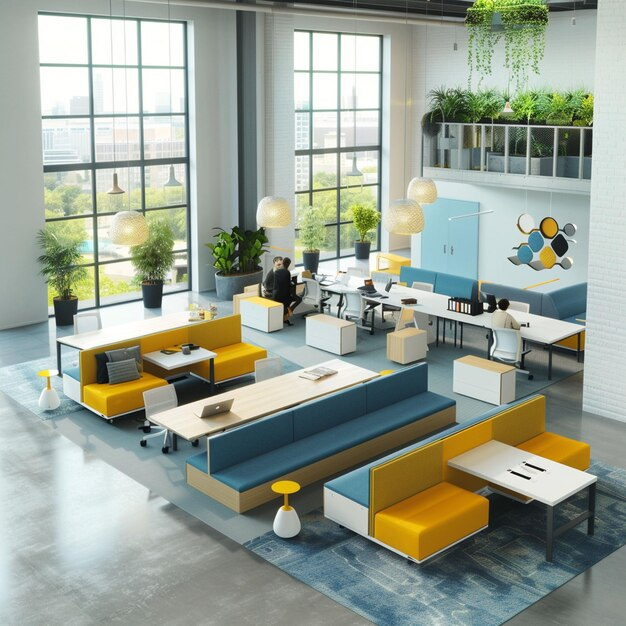
Modern work culture is shifting rapidly towards flexibility and employee well-being. Businesses are moving away from rows of identical cubicles to more dynamic settings. A strategic commercial office design helps companies adapt to these changes seamlessly. By focusing on how people actually move and interact, designers can create environments that do more than just look good. They serve as a physical manifestation of a company’s values and future goals.
When you invest in a professional transformation, you are not just buying furniture. You are investing in a tool that boosts retention and sparks daily inspiration. A well-planned layout ensures that every square foot is utilized effectively. This approach turns a standard workplace into a high-performance hub. At the end of the day, a thoughtful commercial office design serves as a foundation for long-term corporate success and growth.
The Strategic Importance of Professional Layouts
A successful office begins with a deep understanding of brand identity and operational needs. It is about balancing the quiet zones needed for focus with the open areas required for team synergy. Experts in the field analyze traffic flow and natural light to optimize the daily experience for every staff member. This level of detail ensures that the physical space supports the specific workflows of your unique business.
Creating a brand-led environment is essential for modern firms wanting to stand out. When clients walk into a space that reflects your professional standards, it builds immediate trust. The colors, textures, and spatial arrangements all contribute to a narrative of excellence. This narrative is crucial for both internal morale and external reputation. A professional eye can translate abstract company values into tangible architectural elements that resonate with everyone.
Enhancing Workflow Through Space Planning
Effective space planning is the backbone of any productive environment. It involves more than just placing desks; it is about creating a logical flow. Designers consider how different departments interact and place them strategically to minimize friction. This results in a workplace where information flows as freely as the people do, leading to faster decision-making.
The Role of Ergonomics in Employee Health
Ergonomics is a critical component that cannot be overlooked in any modern setup. Providing adjustable chairs and desks shows a commitment to staff health. When employees are physically comfortable, they are less likely to suffer from fatigue or strain. This focus on comfort directly correlates with higher levels of concentration and overall job satisfaction.
Modern Trends in Commercial Office Design
One of the most significant trends currently is the integration of biophilic elements. Bringing nature indoors through plants and organic materials has proven benefits for mental clarity. It softens the "sterile" feel of traditional offices and creates a more inviting atmosphere. This trend is not just about aesthetics; it is about creating a healthier ecosystem for the people inside.
Hybrid work models have also changed the requirements for physical locations. Many offices now feature "hot-desking" areas and specialized video conferencing rooms. These spaces are designed to bridge the gap between remote and in-office teams. Flexibility is the keyword here, with modular furniture that can be moved as needed. This adaptability ensures the office remains relevant regardless of how the team chooses to work.
Incorporating Sustainable Materials
Sustainability is no longer an option but a necessity for forward-thinking brands. Using recycled materials and energy-efficient lighting reduces the environmental footprint of a business. It also appeals to the modern workforce, which often prioritizes ecological responsibility. A green office is a sign of a responsible and modern leadership team.
Technology Integration for Seamless Connectivity
A modern office must be technologically advanced to stay competitive. This means integrated charging ports, smart lighting systems, and high-quality acoustic treatments. These features allow for a seamless transition between different types of work. Whether it is a quiet solo task or a large-scale presentation, the infrastructure must support the activity without technical hitches.
Building a workspace that inspires is an art form that requires both creativity and technical skill. By focusing on a human-centric approach, companies can foster a culture of innovation and collaboration. A top-tier commercial office design acts as a silent partner in your business, helping to drive efficiency and attract the best talent in the industry. It is a long-term investment that pays dividends in employee happiness.
Ultimately, the goal is to create a "second home" where employees feel valued and energized. When a space is designed with intention, it transforms the daily grind into a meaningful experience. Businesses that embrace this change will find themselves better equipped to handle the challenges of the future. A high-quality commercial office design is the first step toward a more vibrant and profitable professional future.